



"Interact as Equals": How to Talk About People with Disabilities Respectfully
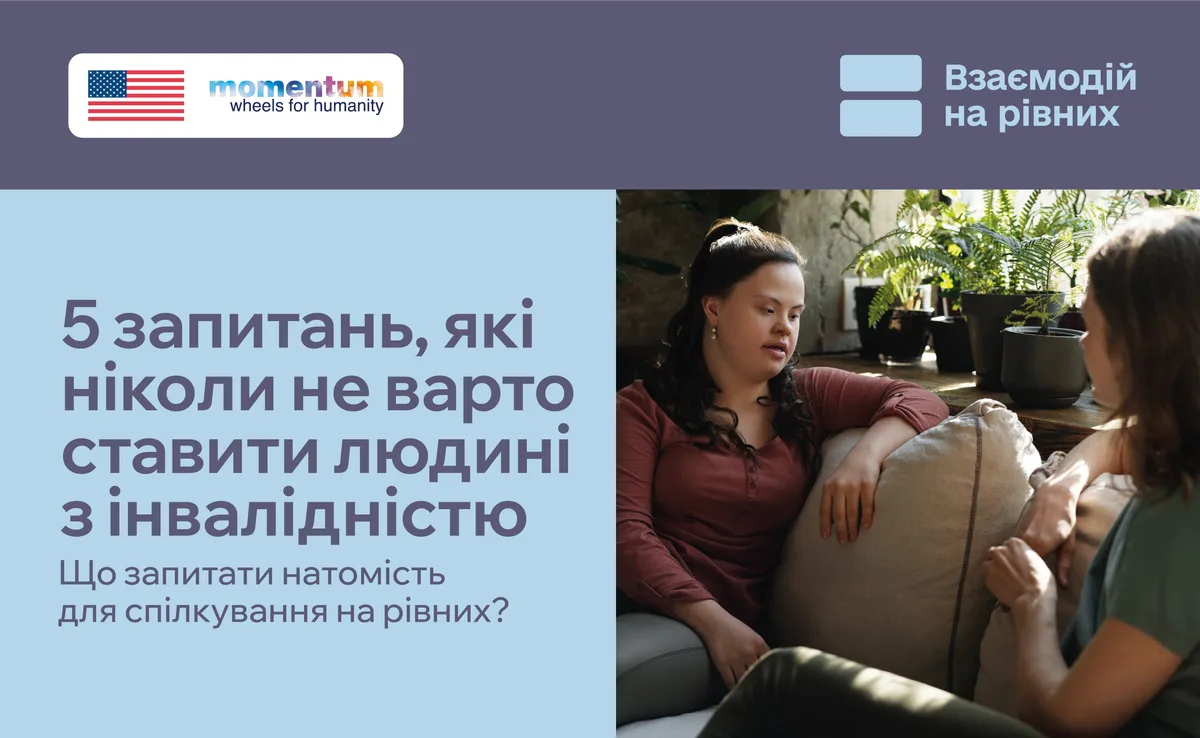
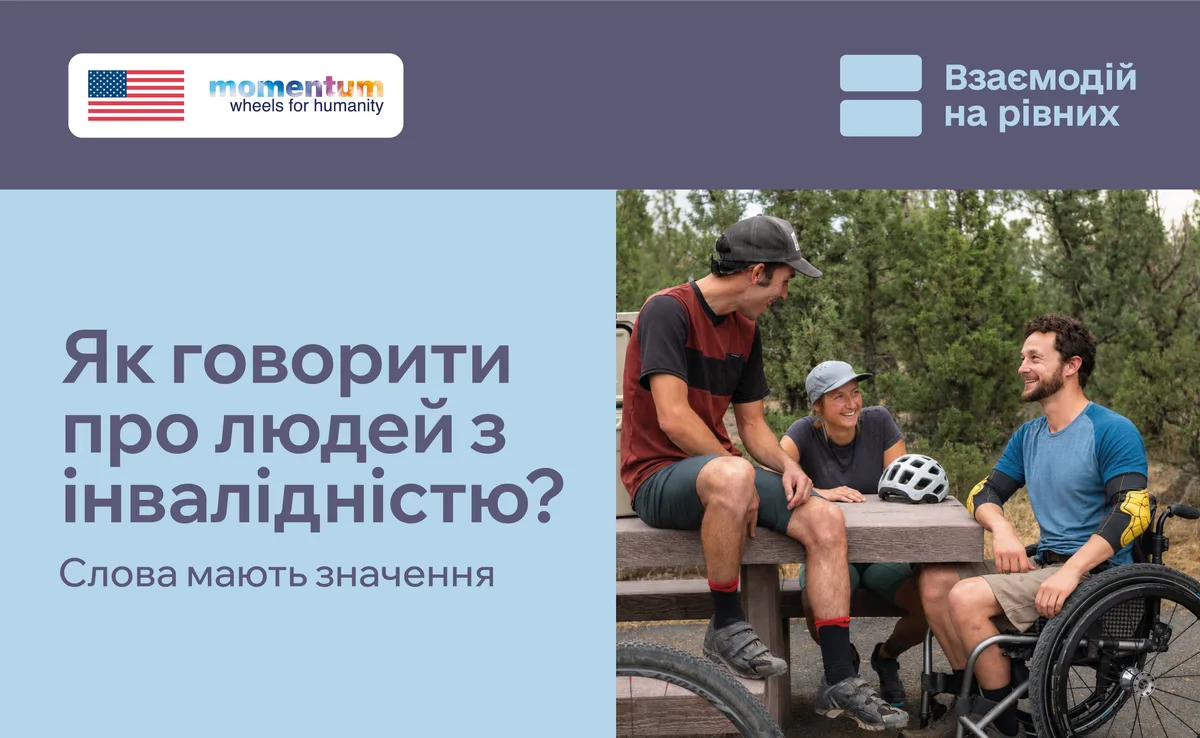
"Interact as Equals" is an All-Ukrainian information campaign aimed at reducing stigma around disability. Vitryly Zhyttia Centre joins this important initiative by sharing materials that will help each of us communicate with people with disabilities respectfully and with dignity. Remember: words matter, and respectful interaction starts with a genuine desire to understand.
Campaign video: "Interact as Equals"
Questions to Avoid When Communicating
Genuine interest in a person is a good thing. But some questions, even when asked with good intentions, can cause pain or put someone in an uncomfortable position. As part of the "Interact as Equals" campaign on reducing stigma, here are tips to help avoid common mistakes and build authentic connection.
- ❌ "What happened to you?" / "What's wrong with your arm?" ✅ If the person wants to share — they will. Instead, ask: "Is there anything I can help you with?" — only if you see a genuine need.
- ❌ "Can you really...?" ✅ Pause before doubting someone else's abilities. A person with a disability knows their own limits. Give them the opportunity to try.
- ❌ "But what about your [job/education/relationships]?" ✅ These topics apply to all people equally. Talk about them in a normal context — without putting special emphasis on disability.
- ❌ "I can't imagine how hard it must be for you!" ✅ Instead of pitying the "difficulty" — show respect for the person's strength and resilience. They may not experience their life as a tragedy.
- ❌ "You must be..." ✅ Don't assume what someone feels or needs. Ask directly and respectfully — the person will appreciate your honesty.
Brochure: Questions to Avoid ("Interact as Equals" campaign)
Words Matter: How to Speak Respectfully
Language is more than just words. It shapes attitudes, defines values, and can either unite or hurt. As part of the "Interact as Equals" campaign, here are seven key tips on how to talk about people with disabilities — accurately, respectfully, and without stereotypes.
- ❌ "Invalid" / "Handicapped" ✅ Use "person with a disability" or a specific description. The person always comes first; disability is just one of their characteristics.
- ❌ "Wheelchair-bound" / "Confined to a wheelchair" ✅ Say "uses a wheelchair" or "moves with the help of a wheelchair". A wheelchair is a tool of freedom, not a trap.
- ❌ "Suffers from..." / "Afflicted with..." ✅ Say "has [diagnosis]" or "lives with [diagnosis]". A person does not suffer every day — they live a full life.
- ❌ "Special needs" ✅ Prefer "person with a disability" or a specific term. The word "special" can sound patronising.
- ❌ "People with limited abilities" ✅ A person's abilities are defined not by their diagnosis, but by environmental conditions. An inclusive environment is the key to equal opportunities.
- ❌ "Psycho" / "Schizo" / "Mentally ill" (as slurs) ✅ Use "person with a mental health condition" or a specific diagnosis without stigmatising labels. Respectful language in mental health is especially important.
- ❌ Using disability terms as metaphors or insults ✅ Avoid using diagnoses as offensive metaphors. This devalues the experience of people who actually live with these conditions. Instead, seek more precise language.
Brochure: Words Matter ("Interact as Equals" campaign)
For a deeper dive into the principles of inclusive communication, we recommend the Barrier-Free Guide — a handy resource with terminology, advice, and examples of respectful language.