
Child Rehabilitation:
An Investment in the Future
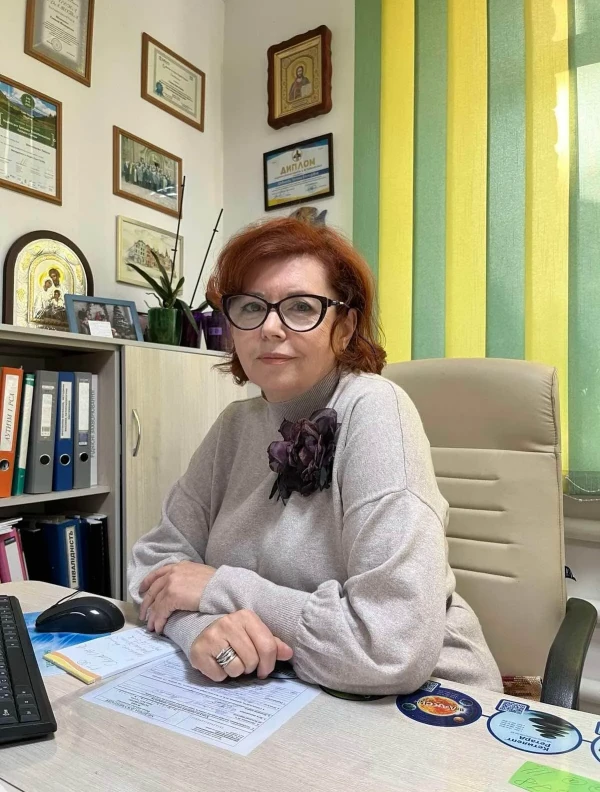
Tetiana Shevchenko
Acting Director, Pediatric Psychiatrist, Pediatric Neurologist
Child rehabilitation is a complex of medical, psychological, pedagogical, and social measures aimed at restoring or developing lost or unformed functions in children. Its main task is to help the child maximize their potential, prepare for education, socialization, and independent living.
Today's Challenges
In Ukraine, this topic is particularly relevant. According to UNICEF, about 1.5 million children in Ukraine are at risk of developing mental health problems, such as depression, anxiety, and PTSD. Furthermore, every year thousands of children are born with congenital diseases or sustain injuries that require long-term support.
Main risk groups:
- Children with disabilities (motor, sensory, intellectual).
- Children recovering from severe illnesses or injuries.
- Children with autism spectrum disorders and hyperactivity.
- Children who have experienced psychological trauma.
Statistics and the Problem of CP
In the structure of childhood disability in the Zhytomyr region, mental and behavioral disorders take the second leading place (20.8%), which is 1,260 children. In third place are diseases of the central nervous system – 792 children (13.1%). The number of children with disabilities is growing every year.
Cerebral palsy (CP) is the most common cause of disability. Rates in Ukraine (2.11 per 1000) and the Zhytomyr region (2.09 per 1000) remain stable, but there is a sharp increase among children with very low birth weight.
5 Categories of CP Risk Factors:
Pre-conception
Maternal epileptic seizures, thyroid diseases, maternal age over 40, etc.
Prenatal period
Congenital defects, low birth weight, maternal illnesses (respiratory, cardiac), preeclampsia.
Intrapartum (During birth)
Birth hypoxia, meconium aspiration, abnormal labor duration.
Neonatal period
Seizures, respiratory distress, hypoglycemia, infections, and jaundice.
Postneonatal period
Stroke, head trauma, bacterial meningitis, traffic accidents.
Molnar's work in the 1970s laid the foundation for understanding: if a child can sit independently before the age of 2, it is a positive prognosis for ambulation. Treatment requires a multidisciplinary team. It is essential that the family and the child are active team members in the goal-setting process. The ultimate goal is to facilitate the maximum development of the child's potential in motor, cognitive, and social spheres.
Directions of Child Rehabilitation
Medical Rehabilitation
Physiotherapy, physical therapy, occupational therapy, speech therapy sessions.
Psychological Support
Individual and group consultations, art therapy, fairy-tale therapy, trauma work.
Social Adaptation
Integration into the educational environment, development of communication skills, inclusion.
Educational Help
Corrective and developmental sessions, family support, early intervention.
The Future: Creation of a Child Center
Currently, a number of measures are being taken in the Zhytomyr region to create a modern, client-oriented, family-centric Child Center. It will be the legal successor of the regional orphanage, where back in 1996 (under the leadership of S.V. Ursulenko), early medical and social rehabilitation was introduced for the first time in Ukraine.
Plans include: building an indoor pool with a ceiling suspension system, creating a hydrokinesitherapy room, building an art studio, and a sports playground for alternative sports. With the support of the Regional State Administration, an active search for funding is underway.
"Child rehabilitation in Ukraine today is not just a medical issue, but a strategic task for society. Supporting every child means investing in the future of the country."
Tetiana Shevchenko
Acting Director of the Center